

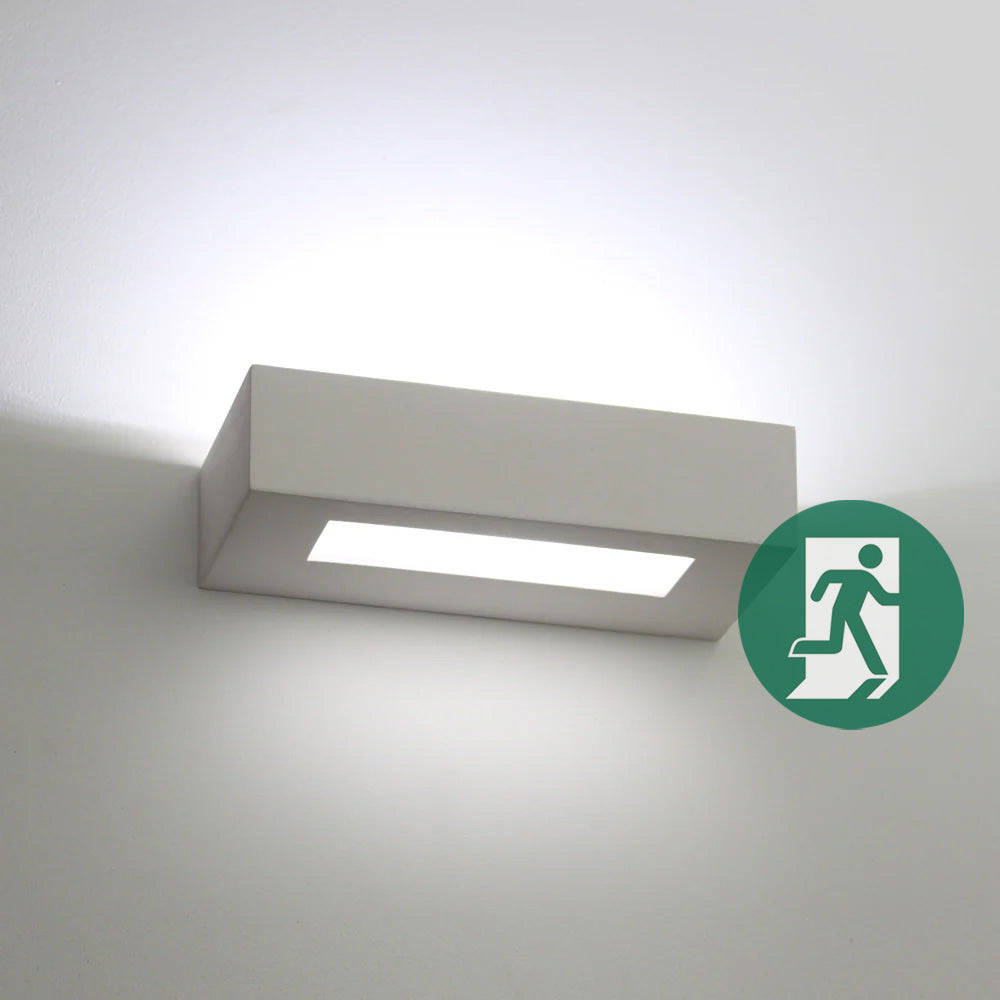
Heat Management for Light Fittings with Emergency Packs
Heat Management for Light Fittings Specified with Emergency Packs
Emergency lighting packs contain batteries and electronic components that can be affected by excessive heat. When specifying or installing a light fitting with an emergency pack, it is therefore important to consider both the type of light source being used and the operating environment of the fitting.
Correct heat management helps protect the emergency battery, maintain the required emergency duration and reduce the risk of the emergency pack entering a protective fault condition.
Use LED lamps only
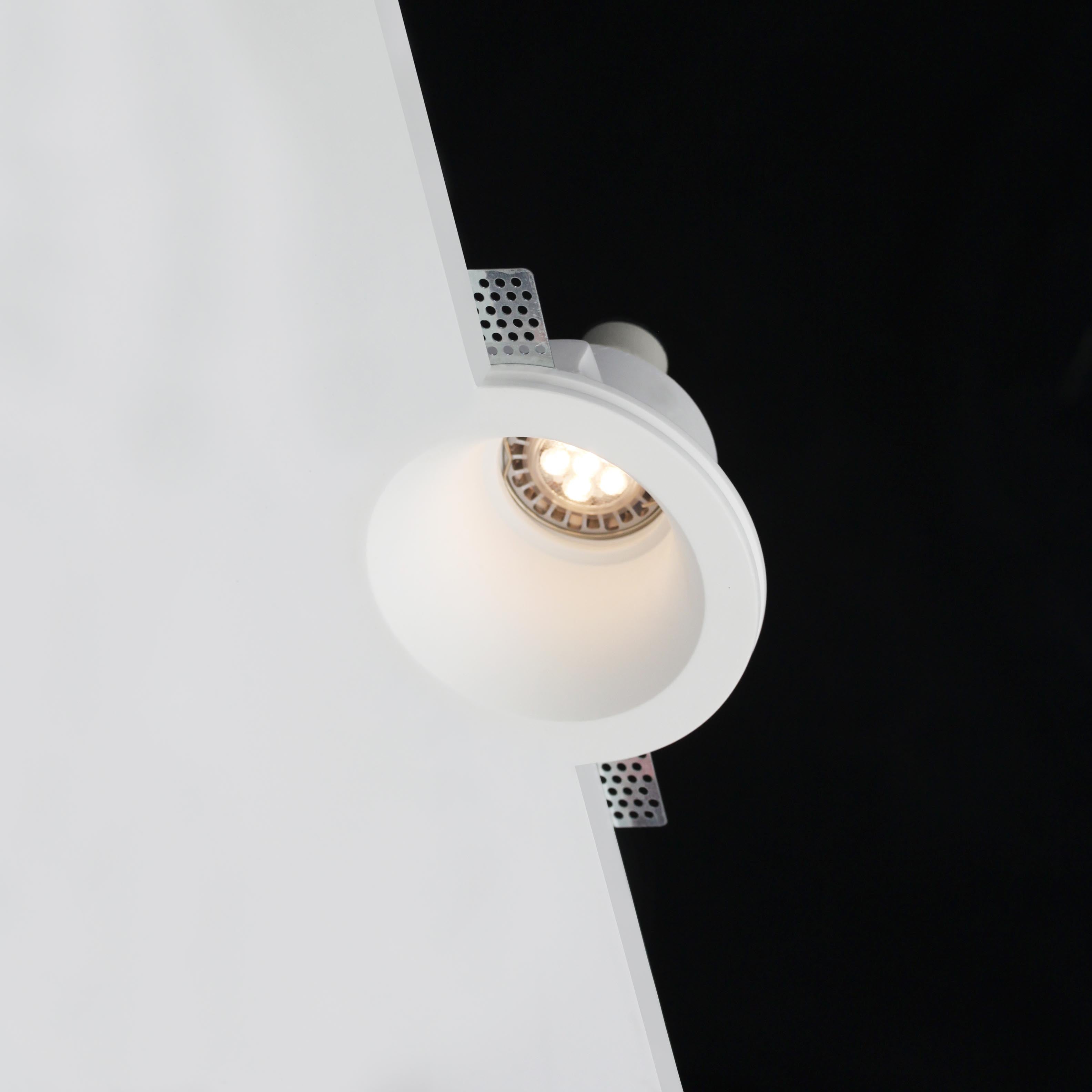
Where a fitting uses a user replaceable light source and is specified with an emergency pack, an LED lamps must be used.
Do not use traditional incandescent, filament or halogen lamps. These light sources generate considerably more heat than LED lamps and can cause the internal temperature of the fitting to rise excessively, potentially overheating components within the emergency pack.
Consider the ambient temperature
High ambient temperatures can adversely affect emergency battery performance.
Where possible, fittings containing emergency packs should be installed in environments where the ambient temperature remains below 35°C. Temperatures above this level can reduce the available emergency duration and may result in the emergency pack entering a temperature protection or fault mode in some cases.
If the permitted temperature limits are exceeded, a service visit may be required before normal emergency operation can be restored.
Extra consideration should therefore be given to fittings installed in warm environments, enclosed spaces or locations where the fitting operates continuously for long periods.
Avoid restricting airflow
Good airflow through and around the fitting helps dissipate the heat generated by the light source and emergency electronics.
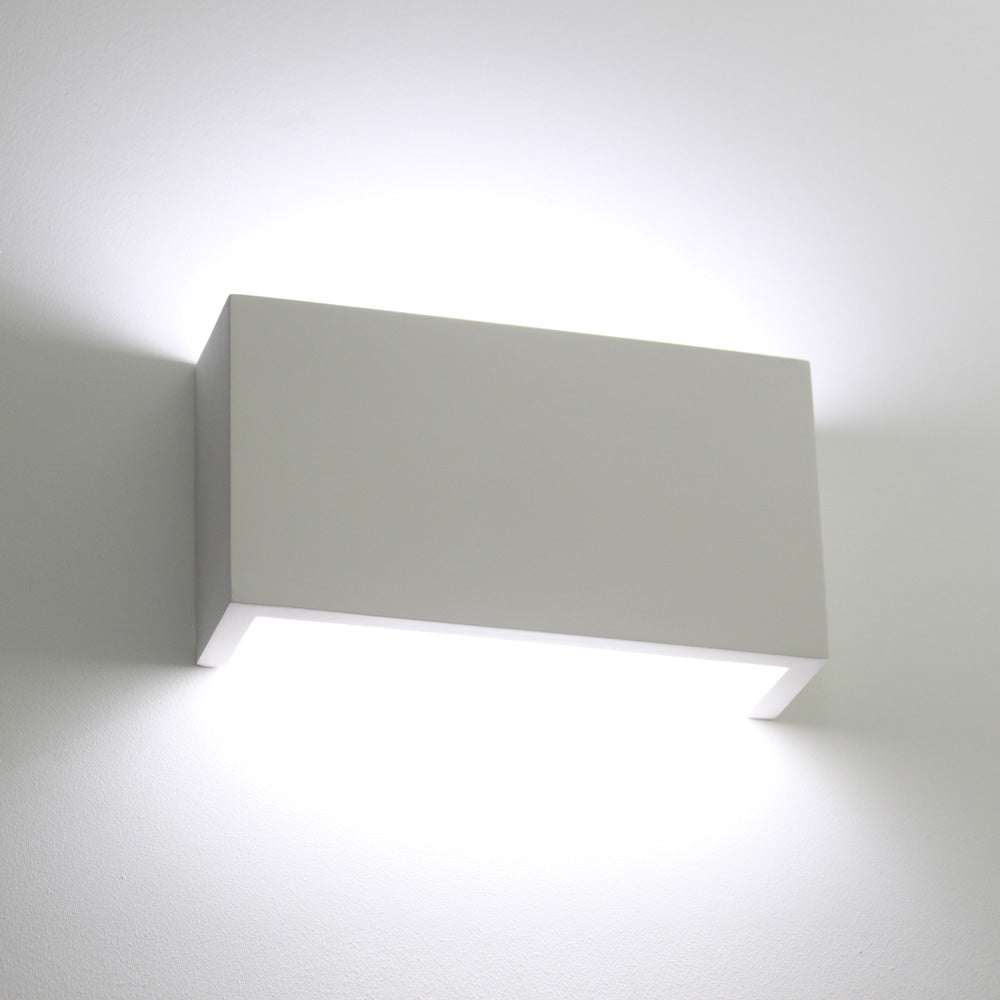
Where a fitting has been specified with an emergency pack, top diffusers should not be used where ambient temperatures may exceed 35°C.
Top diffusers restrict the natural movement of warm air out of the fitting and can increase its internal operating temperature. Lower diffusers do not present the same issue.
Top diffusers are not normally supplied as standard and, where available as an optional accessory, should only be specified after considering whether the fitting also contains an emergency pack and the likely operating temperature of the installation.
Continuous 24/7 illumination
Fittings that remain illuminated continuously can experience higher internal temperatures because the light source and associated electronics have little opportunity to cool.
Where 24/7 illumination is required, fittings containing emergency packs should be used with our corridor function add-on packs.
The corridor function automatically reduces the fitting’s illumination to 50% when no human presence is detected. This reduces the heat generated within the fitting while also reducing energy consumption and running costs.
Full illumination is restored automatically when presence is detected.
Presence-controlled illumination
Where continuous illumination is not required, our proximity sensor packs provide an even greater reduction in heat generation.
The proximity sensor switches the fitting off when no human presence is detected and restores illumination when someone enters the detection area.
In addition to reducing the internal operating temperature of fittings containing emergency packs, this can significantly reduce energy consumption and running costs.
Summary
When using a light fitting specified with an emergency pack:
- Use LED lamps only, never use incandescent, filament or halogen lamps.
- Avoid installations where ambient temperatures may exceed 35°C wherever possible.
- Do not use top diffusers in high-temperature applications, as they can restrict airflow and increase internal temperatures.
- For fittings illuminated 24/7, use a corridor function pack to reduce illumination when the area is unoccupied.
- Where illumination is only required when people are present, use a proximity sensor pack.
- Be aware that excessive temperature can reduce emergency duration and may cause the emergency pack to enter a protective fault condition.
Taking these precautions helps maintain suitable operating temperatures, protect the emergency battery and ensure reliable emergency lighting performance throughout the life of the fitting.


