

Saving Energy and Cost with Proximity Sensors
When running a light fittings continuously for 24 hours a day, the cost and energy usage quickly adds up...
Taking a 20w light fitting as an example:
- 20W = 0.02kW
- 0.02kW × 24 hours = 0.48kWh per day
- 0.48kWh × 365 days = 175.2kWh per year
- At 25p per kWh, that costs £43.80 per year
That’s nearly £44 a year per fitting. Ten similar lights left on continuously would cost around £438 per year.
A simple way to reduce wasted energy
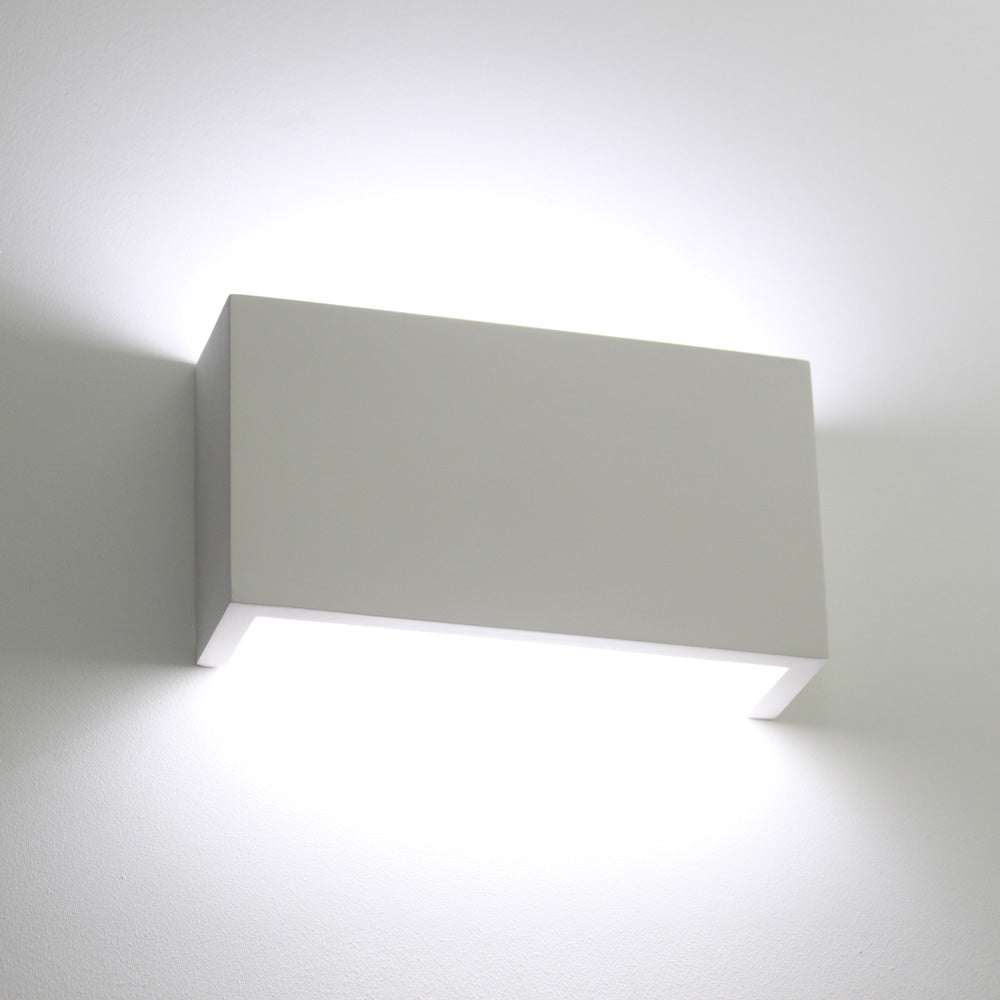
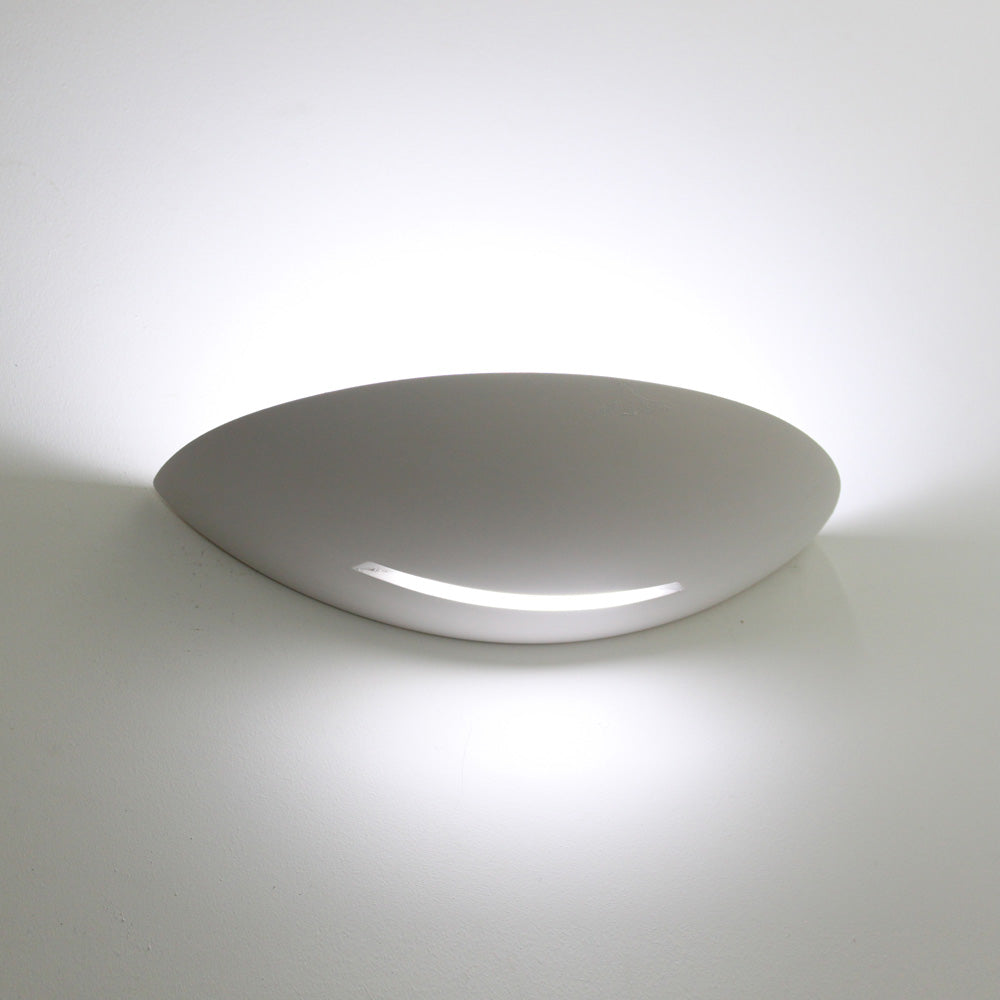
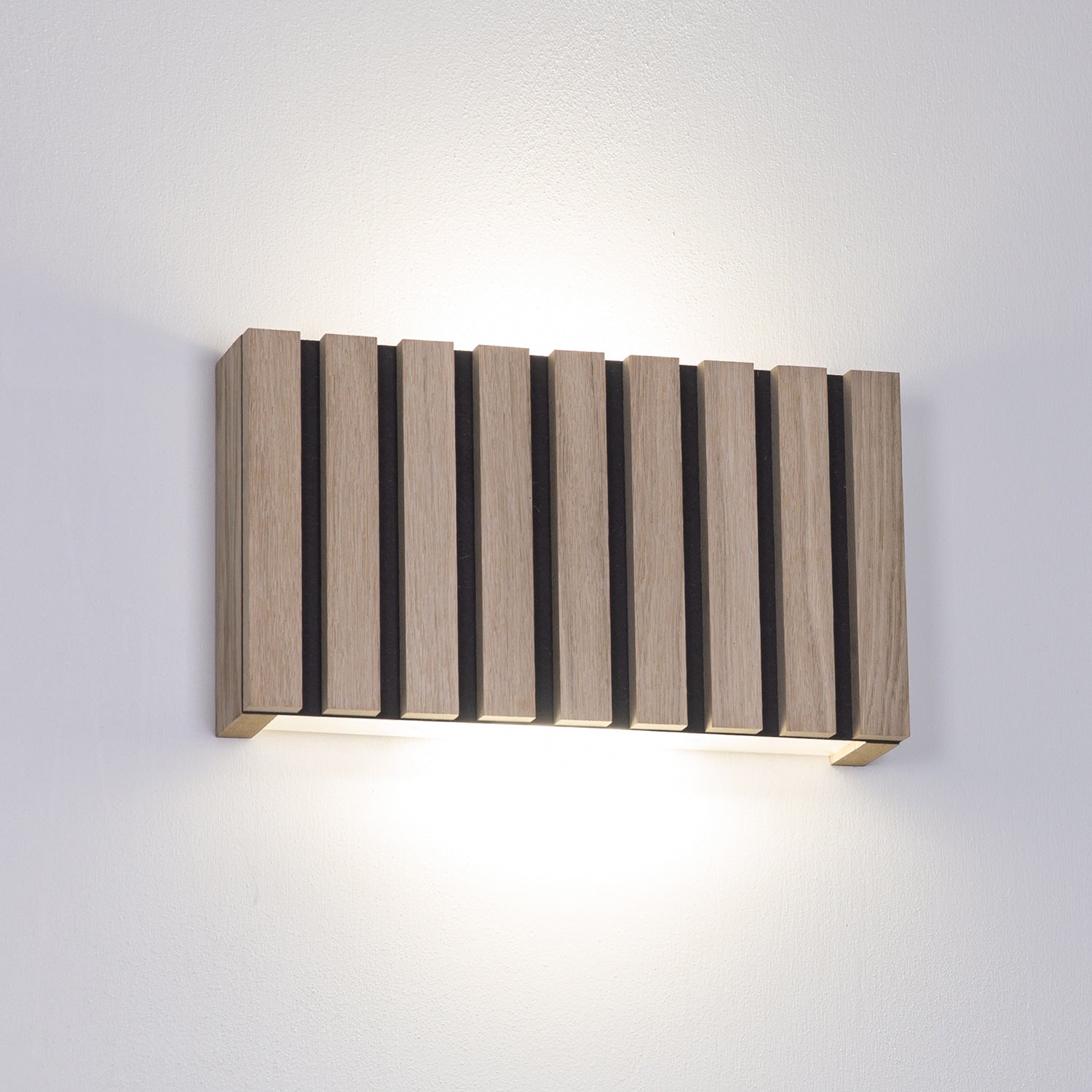
Tornado Lighting offers two microwave sensor options that can be added to compatible wall lights.
The Proximity Sensor Add-On is designed for areas where the light can switch off completely when nobody is present. It detects movement, switches the light on when required and then switches it off after a configurable period. It can also be set to operate only when ambient daylight falls below a chosen level.
Unlike a traditional PIR sensor, the microwave sensor does not require a direct line of sight. This means it can be concealed inside the fitting, preserving the appearance of the light while still providing automatic control.
https://tornado.co.uk/products/proximity-sensor-pack-for-wall-lights
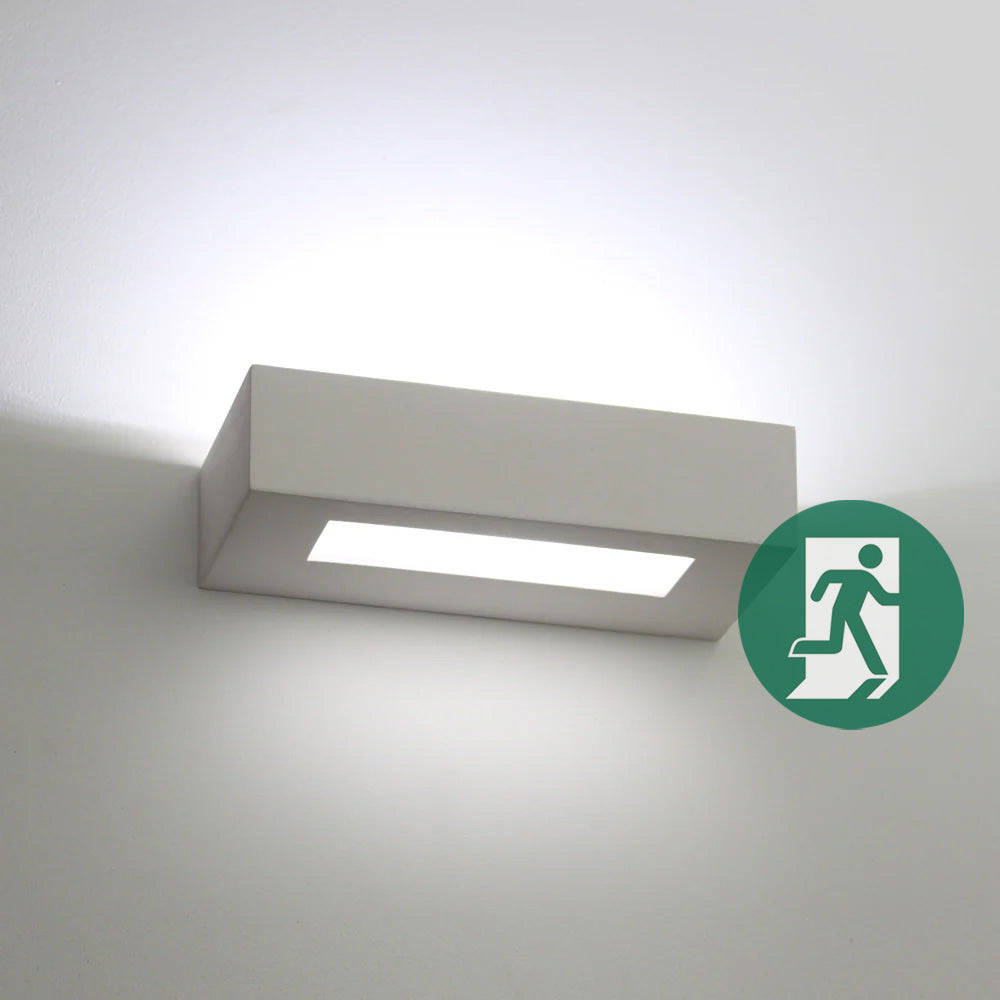
For corridors, stairwells and other areas where some illumination needs to remain on continuously, Tornado’s Corridor Function Sensor provides a different solution. Instead of switching the fitting off completely, it reduces the light to 50% output when the area is unoccupied, then automatically returns it to 100% when movement is detected.
https://tornado.co.uk/products/coridor-function-sensor-for-wall-lights
In simple terms:
Proximity Sensor:
100% when occupied → off when unoccupied
Corridor Function Sensor:
100% when occupied → 50% when unoccupied
Both versions also offer adjustable detection range, hold time and daylight thresholds, allowing the installation to be configured for the space.
Long term cost savings
A sensor can quickly pay for itself in electricity cost saving - In many cases, in little over a year! Reducing operating hours also means fewer hours of use for the LED fitting and its components, potentially extending their working life and reducing maintenance and replacement costs.
Small changes make a difference
Reducing unnecessary lighting is one of the simplest ways to cut wasted electricity. For businesses, even relatively small savings per fitting can become substantial when multiplied across corridors, communal areas, offices and larger buildings.
There is also a wider environmental benefit. Using electricity only when it is actually needed reduces overall energy demand and associated emissions.
Businesses and individuals both have a role to play. Installing intelligent lighting controls is a relatively small change, but across thousands of fittings and buildings, those small changes can make a meaningful difference.


