

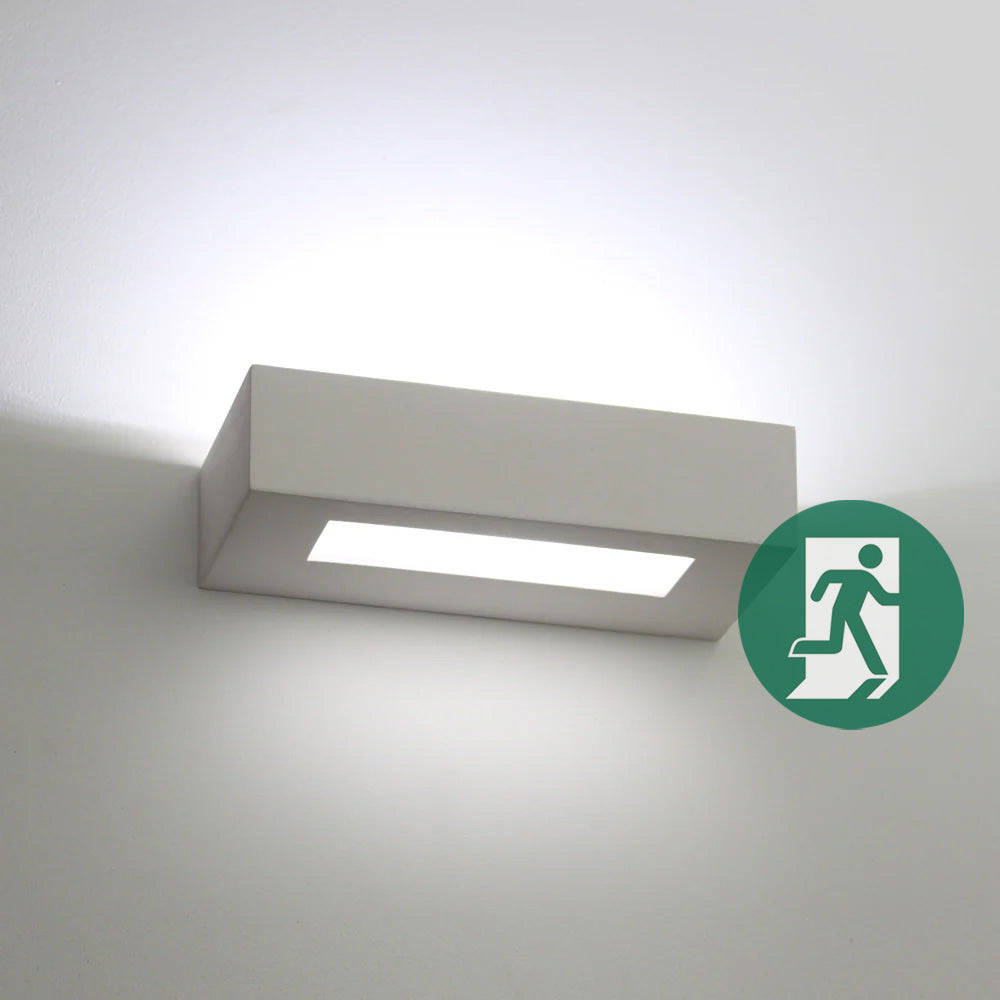
Why User Replaceable Lamps Matter
When choosing architectural lighting, it’s easy to be drawn to bold claims about integrated LEDs, ultra-long lifespans, and sealed luminaires. But when you step back and look at real-world use over years — not months — a different picture emerges.
At the heart of our approach is a simple belief:
a light fitting should be a long-term asset, not a disposable product.
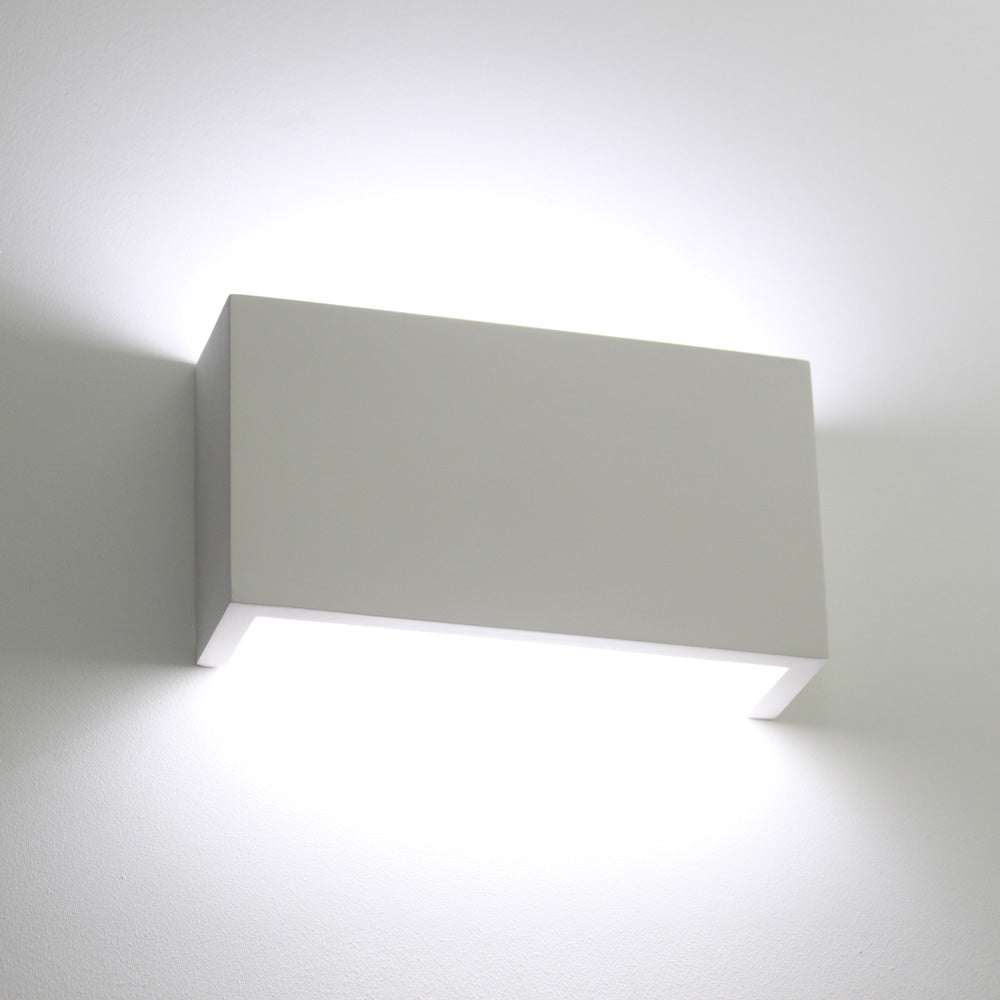
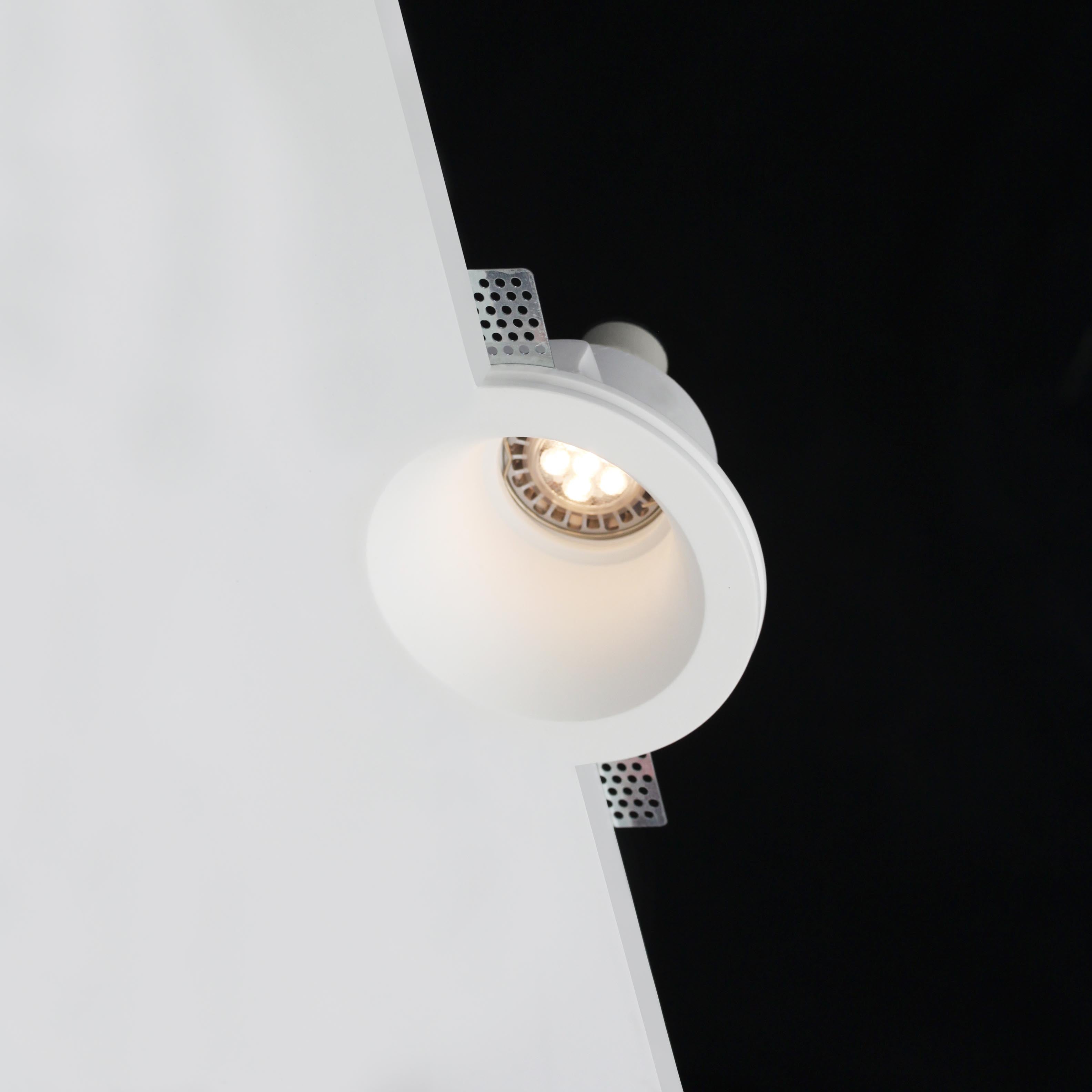
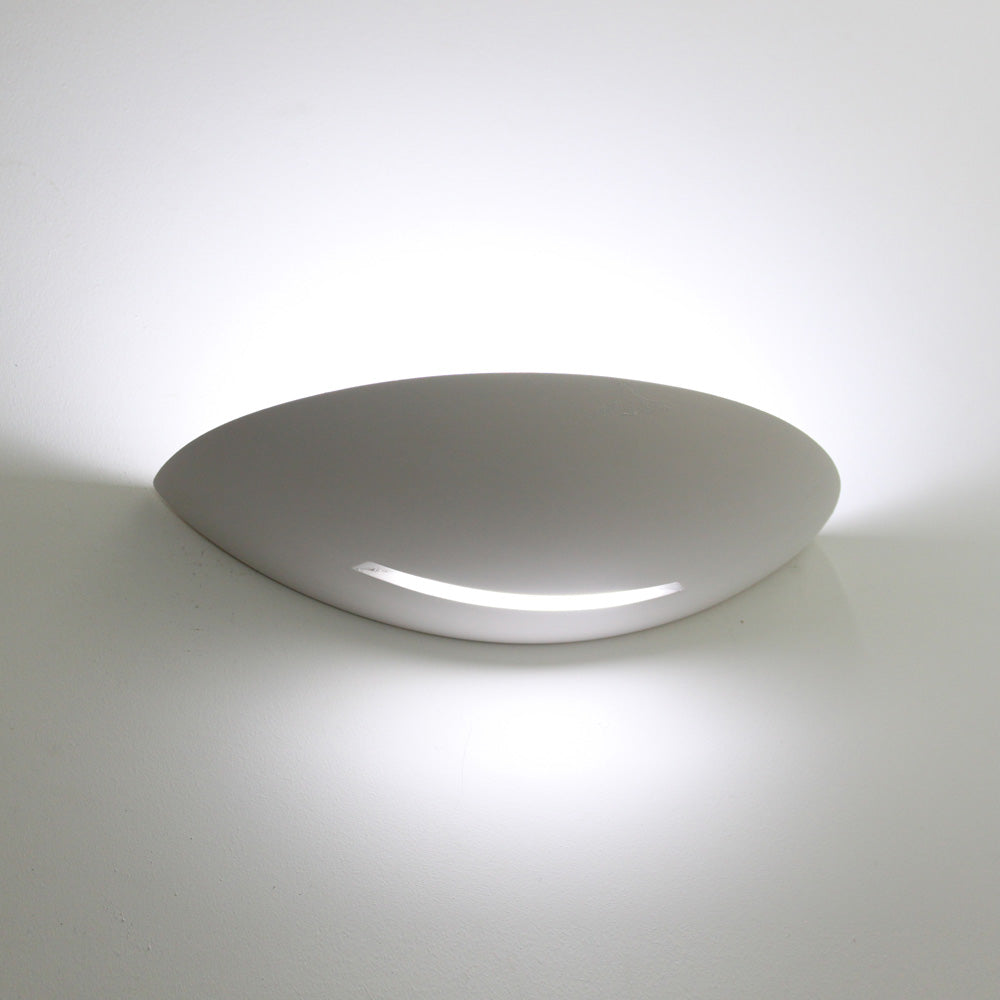
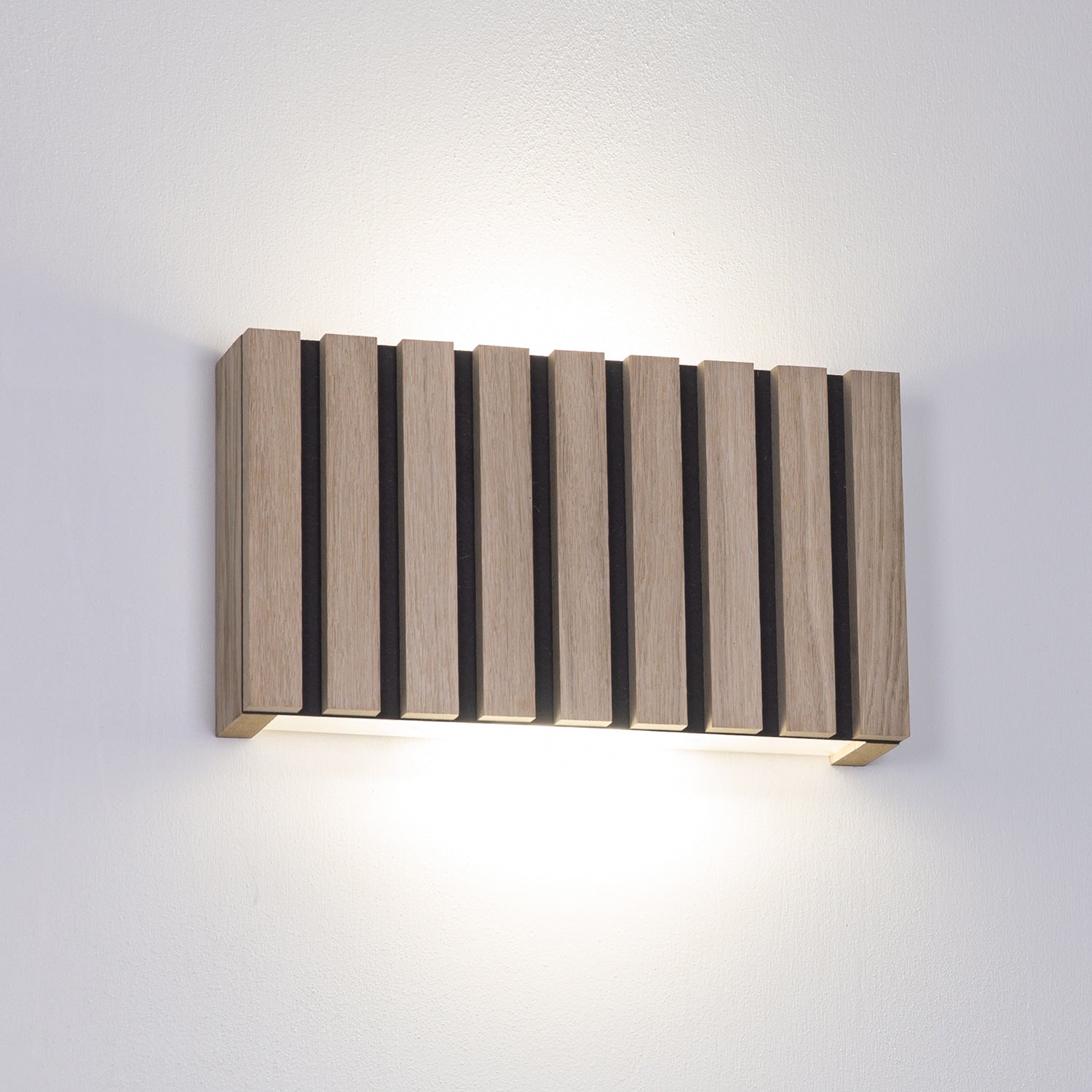
Here’s how our fittings — designed around everyday, replaceable lamps like GU10 and R7s — compare, and why that matters.
Long-term maintainability & peace of mind
When a lamp fails, it can be replaced easily. No specialist parts. No returns. No disruption. With our fittings:
- Lamps are simple to replace when they fail
- There’s no need to remove or replace the entire fitting
- There’s no anxiety about “what happens in 7–10 years if the LED dies?”
Freedom of choice (light quality, output & colour)
Using standard lamps gives customers real control over their lighting — both now and in the future.
When replacing lamps, you can choose:
- Colour temperature (warm/neutral/cool or anywhere in between)
- High CRI lamps (CRI90+ for residential and hospitality settings)
- Lumen output appropriate to the space
Future-proofing
Lamp technology moves fast — fittings should not become obsolete because of it. Our approach means:
- GU10 and R7s formats remain widely available and unlikely to disappear
- New, more efficient or smarter lamps can be fitted later
- No lock-in to proprietary LED modules or drivers
Easier compliance, repairs & upgrades
Standard lamp replacement simplifies ongoing compliance:
- Failed lamps don’t require electrical work
- No disruption to fixed wiring
- Colour temperature or efficiency upgrades are non-invasive
Lower lifetime cost
With integrated (non-replaceable) LEDs:
- Lamp failure can mean full fitting replacement
- Out-of-warranty repairs are costly and disruptive
With replaceable lamps:
- £5–£15 lamp replacement instead of £100+ fittings
- Reduced labour, downtime, and waste
Better compatibility with controls
Standard lamps offer broad and proven compatibility:
- Leading-edge and trailing-edge dimmers
- Smart lamps (Zigbee, Wi-Fi, Matter, etc.)
- Scene-based and adaptive lighting systemsLower lifetime cost
This avoids common problems such as flicker, driver incompatibility and control system lock-in.


